
Today’s cocktail: 🍹 Bloody Mary.
Part 1: The Hole 🕳️
I’ve lived most of my life with the quiet belief that something is fundamentally wrong with me.
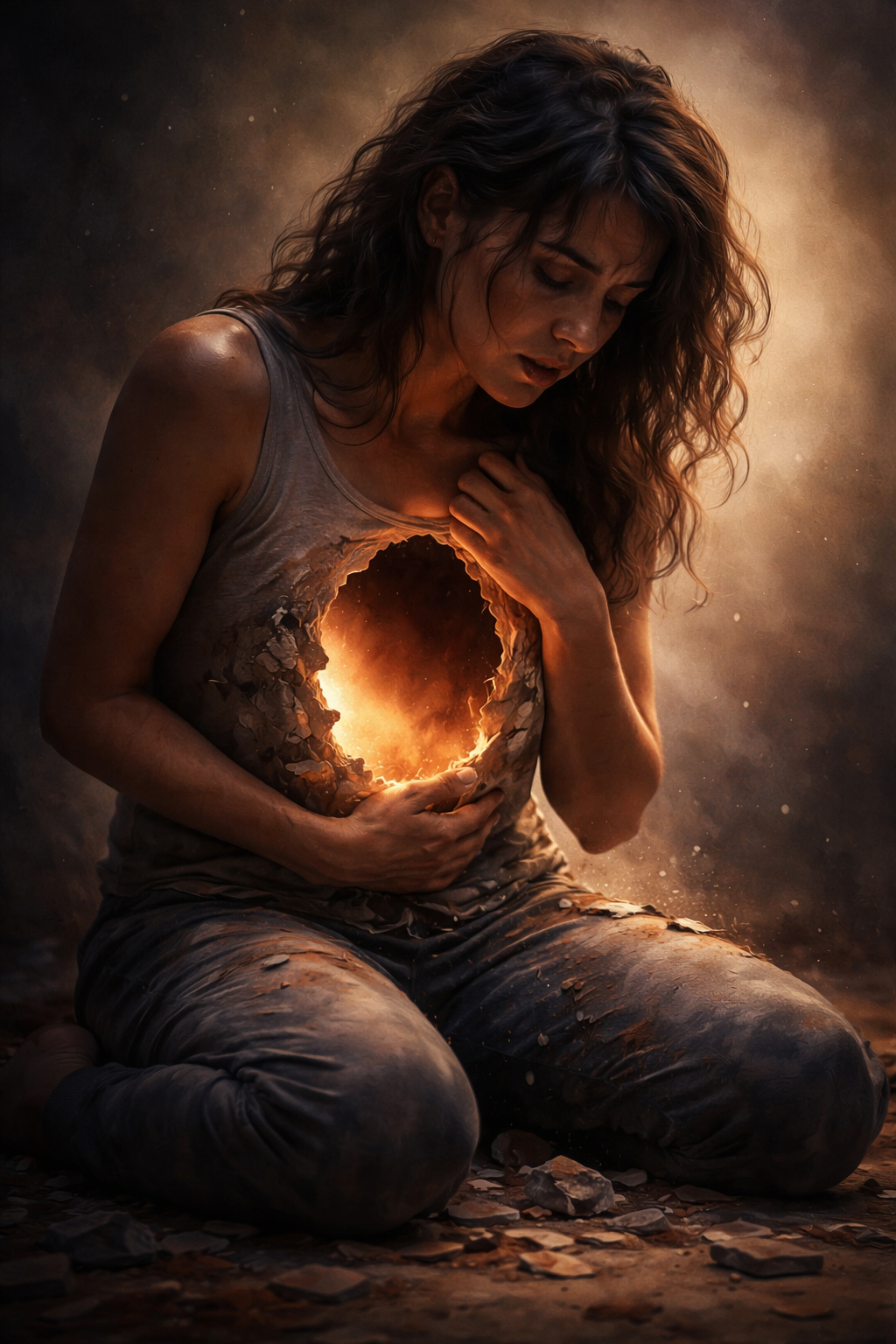
There’s a gaping hole at the bottom of my heart, and no matter who tries to patch it or how much love I receive, it never seems to stay filled. Eventually, I end up ruining something beautiful not because I want to, but because the emptiness always finds a way to leak through.
I feel everything and nothing at the same time. One moment I’m fully committed to change, growth, and healing. The next, I’m numb, detached, vacant. It’s exhausting to live inside these emotional extremes, to never know which version of myself will wake up in the morning.
For a long time, I thought this meant I was broken beyond repair. And maybe I still believe that sometimes.
But when I trace the origin of that belief, it doesn’t start with adulthood. It starts with childhood.
Growing up, I learned early that love could be conditional. From around age eleven on, my sexual orientation seemed to overshadow everything else about me. It felt like who I was eclipsed who I could be. My intelligence mattered. My achievements mattered. But I didn’t not fully.
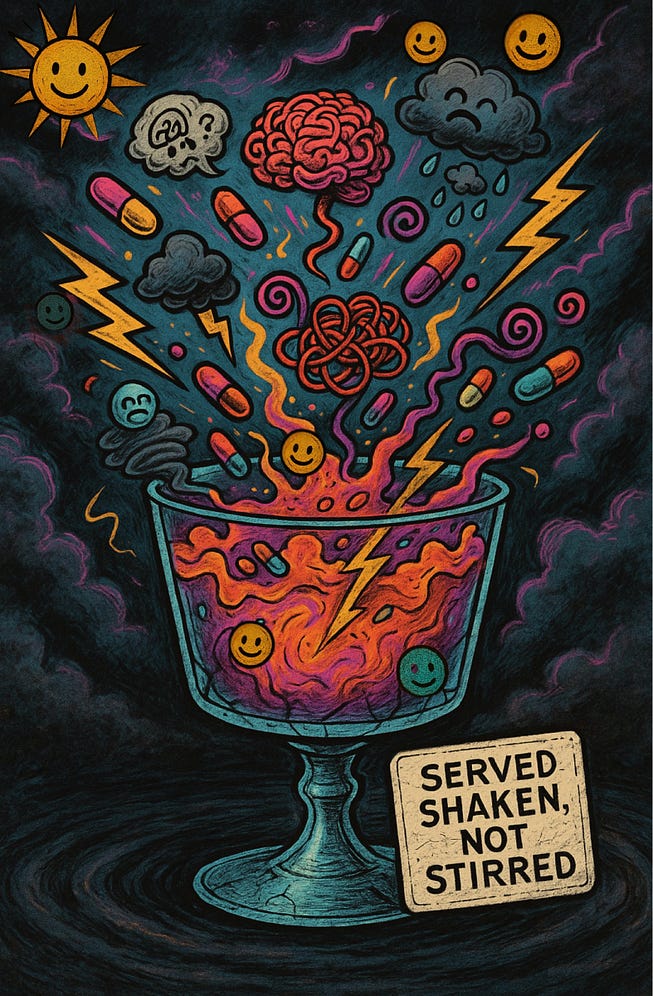
I absorbed messages that I was a burden. That I was annoying. That I was something to tolerate rather than enjoy. Over time, those messages hardened into emotions that didn’t originally belong to me, but became mine anyway: shame, disgust, contempt, resentment, anger.
Some of those feelings were directed at me. Others, I learned to direct inward.
I learned self-hatred before I learned self-compassion.
I learned self-loathing before self-acceptance.
I learned that I wasn’t good enough and that I never would be.
Even when the words weren’t spoken out loud, the implication was constant. A steady drip of rejection. A quiet stonewalling that taught me I was unlovable, unworthy, and undeserving of good things. That good things don’t last. That if something feels safe or loving, it’s only a matter of time before it disappears.
That kind of conditioning doesn’t stay neatly in childhood. It follows you.
It shows up as anxiety, depression, trauma responses, identity confusion, memory gaps. It looks like complex PTSD symptoms, chronic guilt, shame that doesn’t make sense, and the feeling that you’re “too much” and “not enough” at the same time. It can morph into BPD traits, narcissistic defenses, imposter syndrome, and a constant fear of abandonment.
It creates a life where you are always on guard. Always alert. Always bracing for rejection. Even now, I regularly feel guilt, shame, loss, insecurity, sadness, loneliness, emptiness. I feel stagnant and anxious. I feel unattractive, unliked, hopeless. Sometimes I feel immature like a child trapped in an adult body wanting to be more emotionally regulated but not always knowing how. Financial stress adds another layer of fear and instability, reinforcing the belief that I am failing at life.
What hurts most is realizing how deeply I internalized someone else’s inability to accept me and how much of my adult suffering traces back to that early rejection.
I don’t feel horrible about who I am anymore. That took years of work. But I do still carry the residue: the belief that I am broken, too broken to heal, with a vacant self-esteem that no external validation can truly fix.
And maybe that’s the hardest truth to sit with: no one else can fill this hole for me. Not love. Not success. Not approval. Especially not the approval I keep unconsciously seeking from someone who will never be able to give it.
So now I’m left with different questions quieter ones, harder ones:
1. How do I learn to be compassionate with myself?
2. How do I become kind to myself instead of cruel?
3. How do I stop chasing validation that will never come?
4. How do I grieve the mother I needed but didn’t have, without letting that grief define me?
I don’t have answers yet. But I’m finally asking the right questions. And maybe that’s not healing but it’s the beginning of it.
Cocktail please? Better yet make it a DOUBLE!
Gia Beasley,